Eat more fiber
Fiber is good for you. Despite what carnivore influencers might say, fiber is very positive for your health. There are a lot of benefits nutritionally and health-wise, as well as some benefits for weight loss and management. I’m going to give you some examples, and then suggest some easy ways you can add fiber to your diet.
High fiber foods lead to good health outcomes
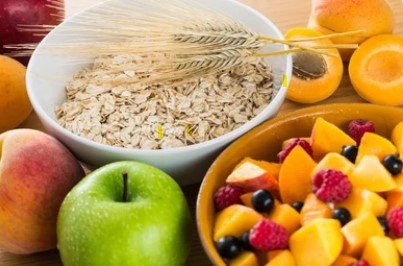
Diets high in fiber include, surprise, fruits and vegetables. That’s right, the boring old advice of eat your vegetables has been right for a very long time. However, it’s not just veggies, it’s also whole grains, beans, legumes, and more.
But why? I feel like a lot of people aren’t clear on why fiber is such a big deal. There are plenty of people who think fiber is overrated or perhaps just think it’s not that big a deal.
Those people are wrong. Colon cancer is affecting younger and younger people. One of the major contributing factors of colon cancer is diet, specifically diets low in fiber. While all the talk of “evil” processed foods is somewhat overstated, it’s not controversial to point out that processed foods contain less fiber. If you eat a Twinkie instead of an apple, you’ll get a nutritionally insignificant amount of fiber instead of 4-6 grams.
However, colon cancer is not the only disease that fiber is associated with helping. Diabetes is a disease that is on the rise in America, and diets high in fiber see a much reduced risk of diabetes. Fiber is also connected to reducing blood cholesterol levels, something that directly impacts many cardiovascular disease risks. High-fiber diets are also a factor in reducing various cancer risks, including breast cancers. Because fiber contributes to the bioavailability of many micronutrients including calcium, it’s also preventative against osteoporosis.
It’s not just diseases that fiber helps with. The gut microbiome is an area of active study, and it’s well established that fiber benefits the gut. This can help reduce systemic inflammation, a common problem for chronic diseases. Fiber is also an effective tool in weight loss and weight management. People who eat high-fiber diets report feeling more satiated after meals, something important when managing or losing weight.
Without getting too gross, you get better poops. Aside from spending less time struggling on the toilet, these higher quality bowel movement can reduce risk of hemorrhoids and diverticulitis. Both of those are no fun and you really want to avoid them.
Is fiber always good?
In the vast majority of cases, fiber is a good idea. However, there are a few situations where high-fiber diets are not recommended. Surgeries, mostly around the stomach or intestines, may lead your doctor to recommend a temporary low-fiber diet. Some diseases, like Crohn's disease, inflame the digestive tract. In these cases, fiber can worsen your symptoms, so going lower fiber can be a good call. If you are receiving radiation therapy for cancer, that can cause digestive issues that get worse with a high-fiber diet.
Irritable Bowel Syndrome (IBS) is one area where high fiber diets can be very bad IF you are eating the wrong kind of fiber. Yes, sorry, it’s complicated, but there are different types of fiber. The relevant fiber to avoid with IBS is short chain fibers such as the oligosaccharides found in beans, as they break down easily and cause gas. Long chain fibers, such as psyllium, are digest far slower and can help reduce symptoms.
Notice, all these situations are caused by diseases or physical conditions. While carnivore influencers insist fiber is overrated, and they have no data to back up their claims, only anecdotes. All the available evidence leads to the conclusion that fiber is, at worst, beneficial to your quality of life, and at best, disease preventing. If your doctor says reduce fiber, then that’s a good idea. Otherwise, high-fiber is the way to go.
How much fiber do I need?
The typical advice is as follows: women should get 28g per day, and men should get 34g per day. While this isn’t bad advice, per se, it’s also not good advice. Here’s why: should a 5’10” 185lb woman have the same fiber intake as a 4’11” 95lb woman? What about a 6’6” 220lb man?
Better advice is to calculate how much fiber you need by your caloric intake. For every 1000 calories you consume, you should consume 14g of fiber. It doesn’t need to be more complicated than that. You might reasonably wonder where the per day recommendations above came from, and the answer is average weight. That’s right, the “best” advice out there is for an average.
So, if you’re eating 1500 calories a day, you only need about 21g of fiber per day. If you’re eating 3000 calories a day, you’re looking at 42g a day.
However! Just because you can hit these targets for your daily recommendations, that doesn’t mean that the benefits of fiber stop there. Eating even higher fiber can be beneficial, given the links between higher fiber diets and reduced all-cause mortality found in studies.
Should I start eating high fiber today?
No! Please, for the love of all that’s holy, no. For all the good that fiber can do for you, suddenly adding lots of fiber to your diet can have…unpleasant results. Going high fiber is very good in the long run, but you really want to work fiber into your diet slowly. If you’ve ever heard a horror story from someone who ate a bunch of prunes or beans for the first time in a while, you’re probably familiar with the outcomes.
My recommendation for adding fiber into your diet is to start with like 3-5g per day for a week at a time. That’s like one medium apple or a tiny portion of beans. After you get used to the new diet, you can add more. In my personal experience, after you get to like 100g of fiber a day, I could handle whatever. But going from a consistently low-fiber diet straight to high is going to be a bad time.
How do I get more fiber in my diet?
Fruits and vegetables
While not all are created equal, including your daily recommended five servings is a big step in the right direction. Eat them raw, cooked, blended into a smoothie, whatever! It’s all good. And, no, blending fruit does not remove the fiber.
Beans and other legumes
It’s hard not to go full bean influencer here, but they rule. They’re all pretty high fiber, and they’re also good sources of protein and lots of nutrients, not to mention cheap and easy to make. Raw is not on the table here, but the number of ways to cook beans that taste good is myriad. Adding them into meals is easy, and making them a star of the show is easy too!
Whole grains
Yes, this can mean bread you don’t like, but it doesn’t have to. Did you know that oats are whole grains? Because oatmeal counts. So does popcorn. I may not like brown rice, but that’s an option. Quinoa is surprisingly high fiber and protein as well. If you like baking, there’s lots of flours (like my favorite oat flour) that are high fiber.
Nuts and seeds
If you’ve been anywhere near the nutrition side of the internet, you’ve probably heard about chia seeds, a decent option. But almost all seeds have a decent amount of fiber in them, and just a handful of almonds can give you a good amount. The reason raspberries are so high in fiber is all the seeds in them.
Fiber enhanced foods
Now that people are catching on to the high-fiber wave, some products are coming out that are increasing fiber. There are now some fiber/pro-biotic sodas that add a healthy dose of fiber to your diets. Some bread products are starting to include high fiber options. While we’re at the beginning of what I suspect will be a high-fiber fad, getting more options that are beneficial is great.
Supplements
Psyllium husk supplements are a cheap and easy way to add a lot of fiber to your diet if the food you eat isn’t cutting it. While they aren’t necessarily the ideal choice, if you want higher fiber and that’s the most accessible/affordable option, you damn well go for it. They may taste a little weird or have an odd texture, but I have creatine every day; it ain’t that bad.
Fiber for weight loss and management
Can fiber help you lose weight? Not exactly. If you eat 2000 calories a day and add a bunch of fiber but keep the calories the same, that won’t make any difference in your weight loss. However, high-fiber diets can help you hit your weight loss goals. That’s confusing, so allow me to attempt to explain.
High-fiber diets include lots of fruits, veggies, whole grains, etc., and those choices have a good deal of volume. Higher volume foods can help you to feel like you’re eating a lot when you’re actually consuming fewer calories. Fiber is also a big factor in satiation, so your veggie heavy meal can help you feel fuller for longer. While the fiber is not directly causing weight loss, the satiation and volume can help you eat a lot of food with fewer calories overall.
The same holds true for weight management. If what you’re eating is helping you stay full and avoid snacking when you shouldn’t be, it can make keeping at your goal weight a lot easier. The other nutrition and disease prevention benefits are just icing on the cake.
Fiber good
Fiber indeed good. Nutrition good. Disease prevention good. Easy bathroom visits good. Weight loss and management good. Frankly, there are only downsides to fiber if you have a condition or disease that prevents you from having lots of fiber. Even then, work with your doctor or other healthcare professional to find if there’s fiber that will work for you.
Just, please, take adding fiber into your diet slow. I am begging you. Otherwise, you’re gonna have a bad time.